Windows 7 Extends Life With Third-Party Tools and Compatibility Layers
As Microsoft's support ends, developers release utilities to keep the 2009 operating system functional with modern software and hardware.
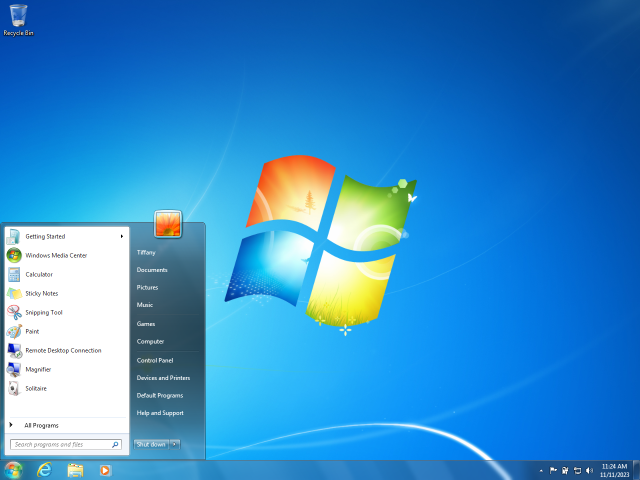
Windows 7, released in 2009 and officially unsupported since January 2020, is experiencing a revival among users unwilling to upgrade to Windows 10 or 11. A collection of third-party tools has emerged to extend the system’s usability, addressing hardware compatibility, software updates, and the ability to run newer applications.
Key utilities sustaining Windows 7 include LegacyUpdate, which provides DLL repositories and patches; VxKex, a compatibility layer enabling some Windows 10 and 11 software to run on the older OS; and SteamCMD, which allows game updates through command-line tools when the native Steam client fails due to compression incompatibilities.
For users with modern hardware, installation challenges persist. UEFI motherboards and NVMe drives require workarounds like slipstreaming specific patches into installation media or using tools such as UEFI7. A Chromium-based browser called Supermium maintains security updates for Windows 7 with the latest patches, addressing one of the primary concerns about the system’s age.
The ecosystem reflects deeper frustrations with Windows 10 and 11. Users cite unpredictable crashes, forced updates, and what some describe as degraded software compatibility compared to Windows 7’s stability. “Win 7 is optimal for programming,” one developer noted, claiming the newer systems have accumulated security vulnerabilities through their larger attack surface.
Limitations remain significant. Some modern games fail to recognize mouse input on Windows 7, and compatibility layers cannot universally bridge the gap between old and new APIs. A paid utility called “Second System,” developed by the creator of Supermium, reportedly extends forward compatibility further, though details are limited to subscribers.
Security remains contentious. Defenders argue that Windows 7’s known vulnerabilities are manageable and that malware authors have largely abandoned targeting a minority OS lacking modern APIs. Critics counter that an unsupported system on an active internet connection poses unacceptable risk.
The persistence of Windows 7 reflects a broader user resistance to the direction of modern operating systems, seen by adherents as bloated, less stable, and hostile to legacy software ecosystems that made Windows dominant for decades.
← Back to home