Three-Generation Summer Camp Closes Its Doors For Good
Camp Mystic, operated by the same family since its founding, will not reopen this season, marking an end to decades of continuous operation.
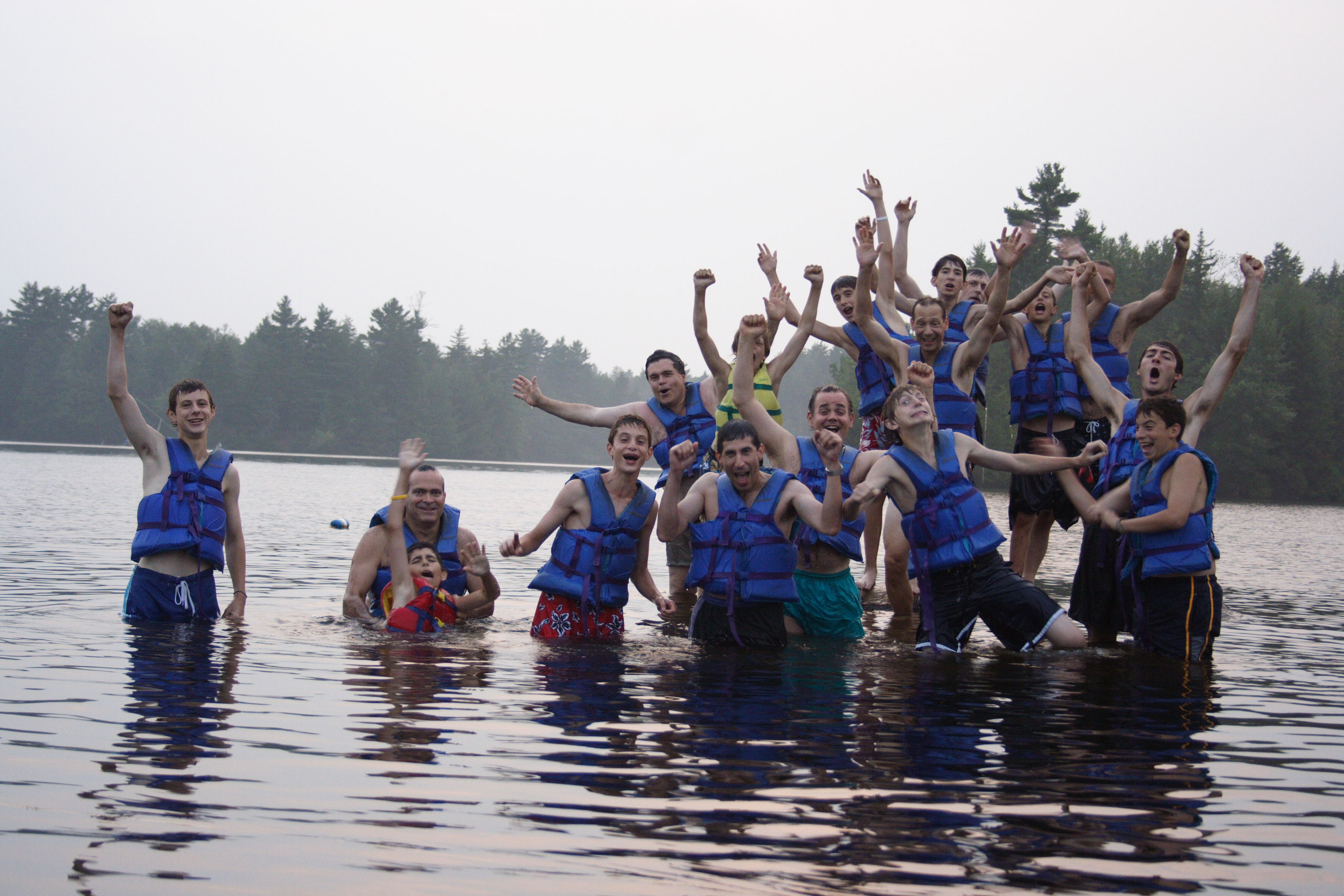
Camp Mystic is shuttering permanently. The decision ends a remarkable run spanning three generations of family stewardship, making this year the first season in decades the gates will remain locked.
The camp’s closure represents a quiet but significant loss in the American summer camp landscape. These institutions, already depleted by pandemic disruptions and shifting cultural patterns around childhood activities, continue to vanish from the calendar. Mystic’s closure joins a growing list of similar institutions unable to weather recent economic headwinds.
Family-operated camps occupy a peculiar niche in the recreational ecosystem. They survive on brand loyalty, word-of-mouth reputation, and the accumulated trust built over generations. Parents who attended as children send their own kids, creating self-reinforcing cycles that sustain operations through lean years. When that breaks, recovery becomes nearly impossible.
The specifics driving Mystic’s final decision remain opaque, a common pattern in these announcements. Camp closures typically stem from overlapping pressures: shrinking enrollment, inflation in operational costs, difficulty attracting and retaining qualified staff, deferred maintenance on aging facilities, and broader demographic shifts. The pandemic accelerated several of these trends simultaneously, delivering what many family businesses experienced as an unsustainable shock.
Multiple summer camp closures have rippled through various states over recent years. Some rebranded or downsized. Others simply evaporated. The cumulative effect strips away options for families seeking traditional camp experiences and eliminates employment for seasonal workers who depend on these jobs.
What distinguishes family-operated establishments is the personal dimension of closure. These aren’t corporate consolidations or investor pullouts. They represent individual families deciding that continuation no longer makes sense, that the burden outweighs the legacy. For Mystic’s operators, that calculation apparently tipped toward closure.
Former campers and staff will presumably feel the absence acutely. Summer camps generate outsized emotional resonance, particularly for those who attended during formative years. The loss of physical spaces tied to childhood memories carries psychological weight that spreadsheet economics never fully captures.
Camp Mystic joins the historical record now, another institution absorbed into nostalgia.
← Back to home