Jungian Typology Debate: Scholars Question Rigor of Classic Psychological Framework
Academic discussion of Carl Jung's personality typing system reveals persistent disagreements over whether his foundational theory was sufficiently rigorous or merely speculative.
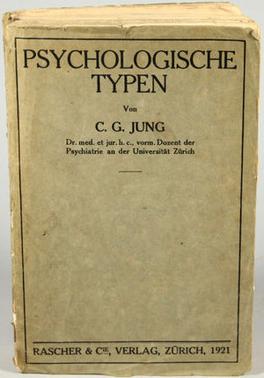
Carl Jung’s framework for understanding human personality types remains contested among scholars more than a century after its initial publication, with critics arguing the Swiss psychiatrist failed to provide adequate logical foundations for his influential system.
The debate centers on Jung’s own admission in his seminal work Psychological Types that he could offer “no a priori reason” for selecting four basic psychological functions as the bedrock of his theory. Instead, Jung relied on what he described as “many years’ experience,” a justification that has troubled subsequent researchers attempting to build systematic models from his ideas.
One major point of contention involves the structure of Jung’s masterwork itself. Critics note that the book devotes nine chapters to historical context and background before arriving at Chapter X, where Jung finally presents his core typological framework. Some observers contend that Jung never adequately demonstrates how the preparatory material logically supports his functional model, leaving readers uncertain whether the foundational chapters were essential or merely tangential.
The ambiguity extends to Jung’s treatment of intuition and sensation. These concepts appear without prior mention in the book’s opening sections, seemingly emerging fully formed when Jung finally unveils his four-function model. This abrupt introduction has led scholars to question whether the functions themselves were truly derived from Jung’s preceding analysis or imposed upon it after the fact.
Jung’s defenders argue that his refusal to over-systematize reflected a deliberate philosophical choice. They contend that the psyche’s inherent dynamism resists rigid classification, and that Jung understood this limitation. His reluctance to construct a formalized testing apparatus, they note, distinguished his work from later derivative models like the Myers-Briggs Type Indicator.
However, critics counter that acknowledging the psyche’s complexity need not result in poor presentation. They suggest Jung could have maintained philosophical nuance while still organizing his arguments more logically, a position that some frame as a plea for basic standards of academic writing rather than a fundamental rejection of Jungian concepts.
The dispute has real consequences. Modern personality typologies claiming descent from Jung frequently build upon interpretations of Psychological Types that scholars argue misrepresent Jung’s actual intentions. Whether Jung’s original framework can withstand scrutiny or requires substantial reformulation remains unresolved.
← Back to home