Why the Spanish Empire Declined: Historians Debate Missteps and Constraints
Scholars point to Habsburg mismanagement, mercantilism, financial overextension in European wars, and demographic limits as key factors in Spain's imperial collapse.
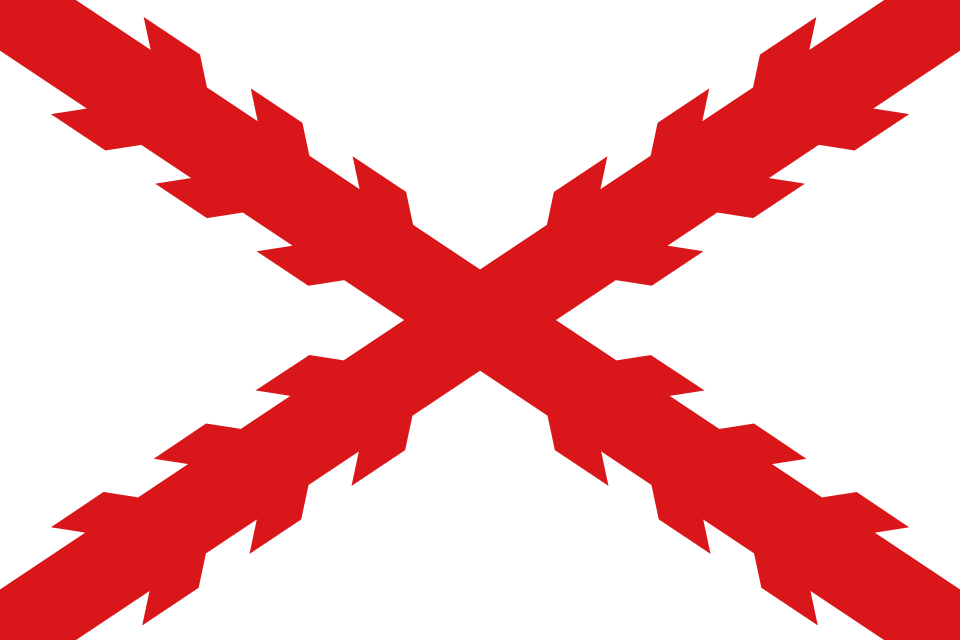
The decline of the Spanish Empire, once the most formidable European power, resulted from a combination of strategic blunders, structural economic flaws, and practical demographic constraints, according to historical analysis.
At its peak in the 17th century, Spain controlled vast territories across the Americas, Europe, and beyond. Yet the empire’s population never matched its ambitions. Spain’s domestic population of 7-9 million at its height paled beside France’s 29-30 million, making it physically impossible to fully colonize and populate the sprawling landmass of the Americas through European settlement alone. The Thirteen Colonies succeeded in North America partly because early English settlers concentrated their limited numbers strategically rather than attempting continent-wide occupation.
The Habsburg dynasty, which ruled Spain for much of its imperial zenith, treated colonial wealth as a means to fund endless European military campaigns rather than as capital for developing lasting colonial infrastructure or stability. This mercantilism-based extraction economy prioritized short-term resource plunder over long-term colonial investment. Gold and silver from American mines financed religious wars across Europe, diverting resources that might have strengthened Spain itself or colonial settlements.
Economic policy also hampered development. Spain’s autarkic system of internal imperial trade, rejecting free-market mechanisms and banking innovation that rivals like Britain and the Netherlands embraced, left the empire increasingly uncompetitive. As one observer noted, the strategy amounted to “forever wars” funded by colonial extraction, which ultimately weakened the homeland. By the time Spain faced piracy and privateering threats, the empire proved vulnerable despite its apparent size.
Demographically, the crown faced a dilemma: without importing foreign settlers to counter rivals’ colonial expansion, Spain risked losing control of distant territories. Yet empowering colonists with autonomy risked rebellion, as actually occurred during independence movements led by colonial-born Spanish descendants.
The empire’s legacy in the Americas became fragmented post-independence successor states rather than a cohesive continuation of Spanish civilization. Spain itself, meanwhile, recovered domestically but never regained global dominance, paying the long-term price for centuries of prioritizing foreign military adventure over domestic prosperity and economic modernization.
← Back to home