Ancient DNA Study Reshapes Understanding of Anatolia's Early Population
New genetic analysis reveals that Bronze Age Anatolia was populated by distinct groups from ancient Greece, challenging long-held assumptions about the region's ethnic composition.
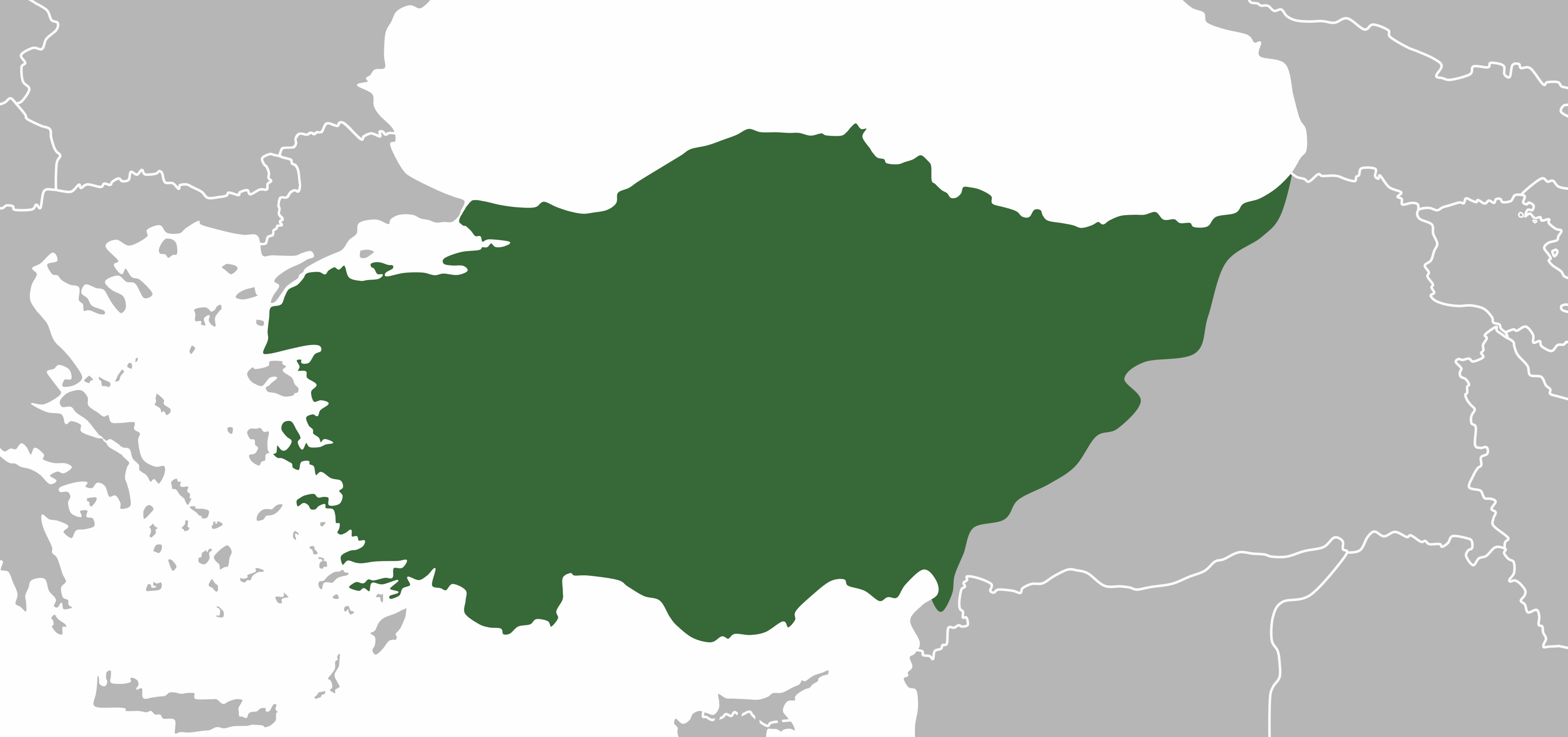
Recent advances in ancient DNA analysis have upended conventional scholarly assumptions about the genetic makeup of Bronze Age Anatolia and its relationship to classical Greek populations.
Using qPAS (quantitative paleogenomic ancestry synthesis), researchers have demonstrated that pre-Hellenic Anatolia was inhabited by populations genetically distinct from Bronze Age Greeks. The analysis identifies Bronze Age Anatolian populations as separate genetic clusters from Bronze Age Greek populations, suggesting that the two regions maintained distinct demographic profiles before the later Hellenization of Anatolia.
The findings indicate that populations like the Luwians, Phrygians, and other early Anatolian groups carried genetic signatures more closely aligned with Levantine populations than with contemporary Greeks. This distinction becomes crucial when analyzing modern Greek and Turkish genetic ancestry, as it clarifies the degree to which later Greek settlement and cultural influence altered the underlying genetic landscape.
Historians note that Hellenization of Anatolia occurred primarily after Alexander’s conquests and intensified during Roman imperial rule, rather than representing an indigenous Greek population. The genetic data suggests that Greek settlement and admixture with existing Anatolian populations created the mixed ancestry profiles observed in later periods.
The research also clarifies debates surrounding Turkic migration into Anatolia. Most scholars now agree that significant Turkification occurred in two main waves: first during the 11th-century Seljuk period, and more substantially during the 13th century following Mongol invasions that displaced Turkic tribes westward. The resulting genetic ancestry in modern Turkish populations reflects admixture between incoming Turkic pastoralists and the existing Hellenized Anatolian population.
These genetic findings have prompted reassessment of medieval demographic patterns across the Eastern Mediterranean and the Balkans. The ability to distinguish between original settlement patterns and later population movements offers archaeologists and historians unprecedented precision in reconstructing ancient migrations and cultural transformations.
The implications extend beyond academic debate, reshaping how scholars understand the continuity and discontinuity of populations across three millennia of Anatolian history.
← Back to home