The Taiping Rebellion: History's Deadliest Civil War
A Chinese religious movement claiming Jesus Christ had a Chinese brother sparked a 14-year conflict that killed tens of millions, making it one of history's most catastrophic wars.
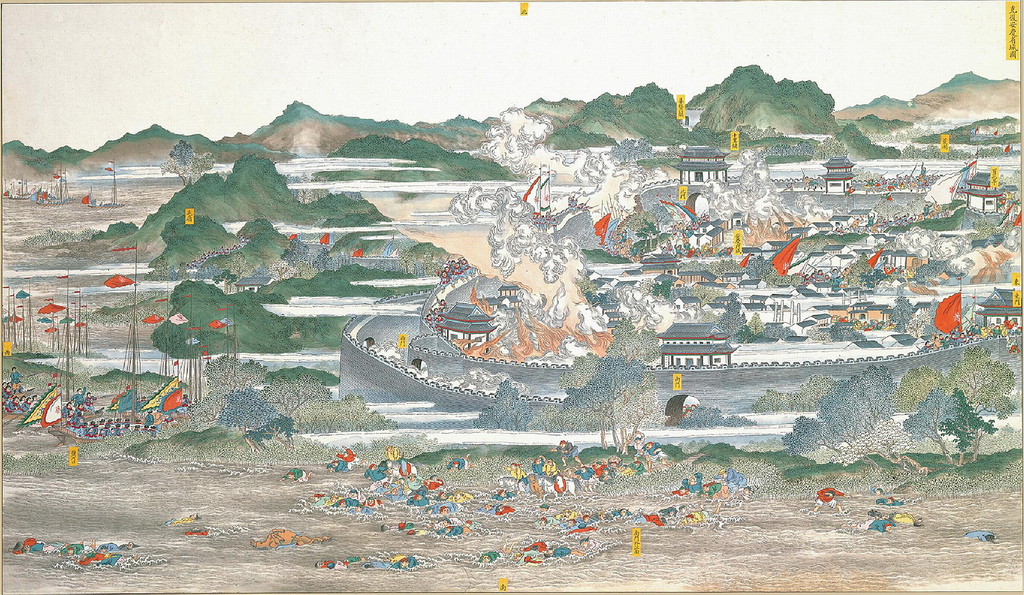
Between 1850 and 1864, China was torn apart by the Taiping Rebellion, a civil war that claimed more lives than World War I and remains history’s deadliest conflict of its kind.
The rebellion was led by Hong Xiuquan, a failed civil service examination candidate who experienced a mental breakdown and subsequently adopted a radical Christian theology. Hong claimed to be the younger brother of Jesus Christ and proclaimed himself the Heavenly King, tasked with establishing a new kingdom on earth. His movement, which called itself the Taiping Heavenly Kingdom, rapidly gained millions of followers who were drawn to promises of land reform, gender equality, and liberation from Manchu rule.
At its peak, the rebellion controlled significant portions of central and southern China, including major cities. Hong and his followers implemented sweeping social policies, including bans on opium, alcohol, and slavery, alongside their unique interpretation of Christian doctrine. However, the movement’s theological foundation was thin, Hong’s understanding of Christianity came largely from a single religious pamphlet he had read, which he adapted into an entirely new religious system centered on himself.
The death toll from the rebellion remains staggering. Estimates place the total at between 20 to 30 million lives lost, though historians debate the exact figures. A significant portion of these deaths resulted not from direct combat but from famine, disease, and the disruption of agricultural systems across densely populated regions. China’s high population density and dependence on river valleys for food production meant that warfare and the displacement of civilians created catastrophic conditions for mass starvation and epidemic disease.
The rebellion was ultimately crushed through the combined efforts of Qing Dynasty forces and regional militias. Hong Xiuquan died during the final siege of Nanjing in 1864, allegedly by suicide. His teenage son reportedly met a horrific end during the conflict’s final days.
Historians note that the Taiping Rebellion occurred simultaneously with other major upheavals in China, including the Second Opium War against British and French forces, compounding the chaos and suffering across the empire during this turbulent period.
← Back to home