Kamiina Botan anime divides viewers over animation and character writing
The ongoing series has sparked debate among fans over its experimental approach to visual style and whether its characters authentically represent young women.
The anime adaptation of Kamiina Botan continues to generate discussion among viewers, with recent episodes highlighting both technical ambition and fundamental disagreements about the show’s creative direction.
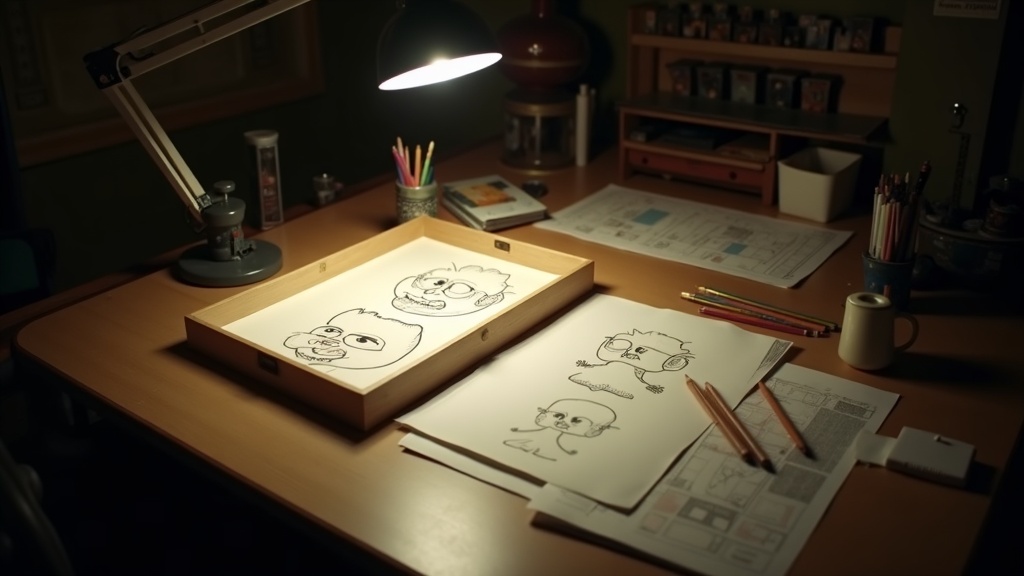
The series, which follows a group of young women engaging in casual drinking and retro gaming, has adopted a deliberately variable approach to animation across episodes. Episode 3 marked a significant stylistic departure from its predecessors, with notably different character proportions and an experimental visual treatment. Episode 4, by contrast, returned to a more refined aesthetic, prompting mixed reactions to the overall strategy.
“Being experimental is great and all, but it should always be in service to the story and not a distraction from it,” one viewer observed, noting that the quality of recent episodes has thrown earlier choices into sharper relief.
Beyond technical concerns, the writing itself has become contentious. Critics argue the show reads as male-authored despite its female-centered cast. “These are just uncles transmogrified into cute girls,” one account stated bluntly, pointing to the emphasis on drinking, retro technology, and casual gaming as interests more stereotypically associated with adult men than teenage women. Others countered that such hobbies are hardly disqualifying, and that the series succeeds on its own merits regardless.
The show’s approach to its yuri subtext has also drawn attention. Viewers expect the romantic undertones between characters will remain suggestive throughout the season, with no explicit romantic escalation. “Everything will be implied and that’s why it will be a massive financial success,” one source predicted. “Yuribait is dimes.”
A separate controversy emerged when the manga’s creator faced criticism over bookmarked fanart featuring heterosexual pairings. Defenders dismissed the outcry as disproportionate, arguing that such bookmarks are routine courtesy among creators and do not reflect the canonical content. Others maintained it represented poor judgment for someone promoting a yuri-focused work.
Despite internal disagreements, the show has cultivated a dedicated fanbase drawn to its combination of character focus, retro aesthetics, and directorial craft.
← Back to home