Tech Forum Skeptical of Prophetic's Lucid Dream Headband
Users on /g/ debated whether ultrasonic stimulation can reliably trigger lucid dreaming, with a biomedical engineer calling the claims unproven and others warning of potential neurological damage.
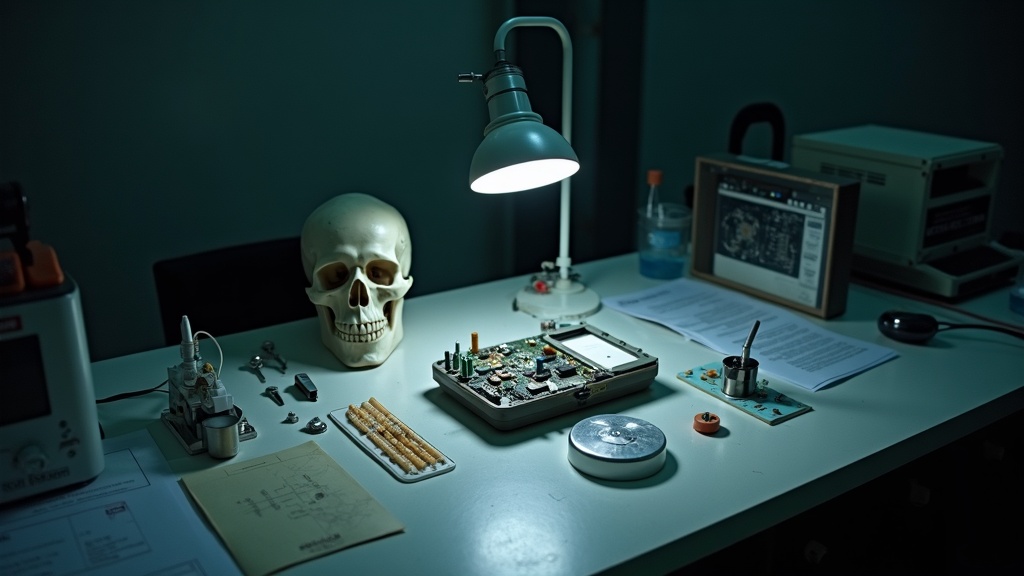
A discussion erupted on /g/ this week after the OP announced that Prophetic, a startup, is launching a headband that allegedly uses ultrasonic energy to stimulate the prefrontal cortex during sleep, supposedly enabling on-demand lucid dreaming.
The OP’s pitch was straightforward: the prefrontal cortex remains inactive during normal dreams, which is why dreams feel real. Activate it with ultrasonic waves, the theory goes, and users can achieve consistent lucidity.
The thread quickly split between enthusiasts sharing lucid dreaming techniques and hardened skeptics. One respondent with a master’s degree in Biomedical Engineering flatly dismissed the product: “until it is published in a proper peer-reviewed journal I call it BS.” The commenter raised a cascade of technical objections, noting that ultrasonic waves reflect off surface boundaries and penetrating the skull would require powerful transducers. More damning, they argued the device cannot account for variations in individual cranium and tissue thickness, and that Prophetic would “fail any proper safety tests.”
Other commenters speculated the device either “does nothing what it claims” or operates as a placebo effect triggered by discomfort and mild temperature increases from wearing the headband.
The thread also deteriorated into debate about the ethics and mental health implications of pursuing lucid dreaming recreationally. One commenter warned that chronic lucid dreaming practice “strongly correlates with increased dissociative symptoms, schizotypy, and severe reality monitoring deficits.” Another argued that deliberately inducing lucidity to engage in sexual fantasies amounts to “sexual abuse” of oneself, potentially harming the unconscious mind in ways neuroscience does not yet understand.
A counterargument emerged: one user posited that dream characters are “constructed approximations” incapable of revealing knowledge the dreamer doesn’t already possess, making ethical objections moot.
Several users shared anecdotal success stories with traditional lucid dreaming techniques, such as keeping dream journals and performing reality checks throughout the day. One commenter reported achieving lucidity after self-suggestion and experiencing a spontaneous wet dream upon waking.
No independent verification of Prophetic’s device or efficacy claims was offered in the thread.
← Back to home