4chan Historians Debate Why US Lost Vietnam Despite Military Advantages
Users on /his/ dissected America's Vietnam defeat, with commenters arguing the war was unwinnable due to political constraints, Vietnamese resolve, and flawed strategy rather than military inferiority.
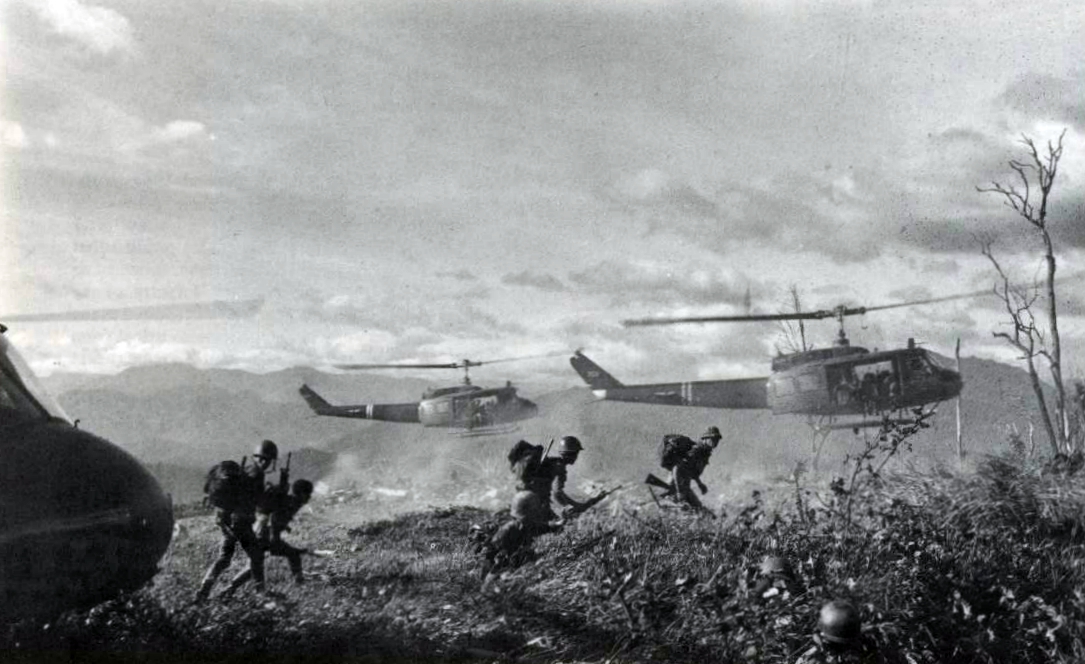
A discussion on the /his/ board Wednesday descended into a sprawling historiographical argument over the mechanisms of American defeat in Vietnam, prompted by one user’s question: “How did the Americans manage to lose the Vietnam war so easily when they had every advantage?”
The prevailing consensus among respondents: the US did not lose militarily, but rather failed to achieve victory conditions due to political constraints, underestimated Vietnamese determination, and a fundamentally flawed strategic premise.
One commenter posted extensive excerpts from the Paris Peace Accords, arguing the treaty itself was strategically catastrophic. The accord required “a total withdrawal from South Viet-Nam of troops, military advisers, and military personnel” while permitting “the armed forces of the two South Vietnamese parties” to “remain in-place,” allegedly allowing North Vietnamese and Vietcong forces to consolidate position while US and allied forces departed. “US and allied forces will leave and never come back; Communist forces can remain in-place, and even upgrade their weaponry and improve their logistics,” the user wrote, citing the agreement directly.
Multiple respondents attributed North Vietnam’s ultimate success to sheer willingness to absorb catastrophic casualties. One user claimed: “The Vietnamese had unshakable, totally unbreakable will and willingness to fight on for anything less than a war of extermination.” Another framed it starkly: “The point is that the war in Vietnam was launched by the US to contain Communism… The Vietnamese cared more about nationalism than socialism.”
The Ho Chi Minh Trail emerged as a recurring explanation. Commenters alleged US forces “weren’t allowed to properly give out a death blow to the Vietcong” because supply lines ran through Cambodia, and invading Cambodia risked escalating to Chinese or Soviet intervention. One user wrote: “VC set up a supply line in Cambodia along the Vietnam boarder, then heavily fortified it with Russian anti-aircraft tech. US couldn’t risk conduction of military operations in another country at the risk of starting WWIII.”
Some users challenged the “lost militarily” framing outright. One respondent claimed the US “did an amazing job in Vietnam, pushed them all the way to the far North. Casualty ratio was absolutely incomparable,” and alleged North Vietnam possessed modern equipment and even Soviet and Chinese pilots. “We were never forced out of Vietnam… despite popular misconceptions,” they argued.
Another dissenter countered: “The US failed to create a situation that would result in victory. All that military activity and no military objectives were secured that would have won the war. That’s called losing militarily.”
Most commenters agreed post-war South Vietnam collapsed rapidly after American withdrawal, with one user citing historical accounts of economic collapse, ammunition shortages, and evaporating morale among South Vietnamese forces. Another noted that President Thieu allegedly believed Washington would enforce its threats of renewed military support, a promise that “no more B-52s were coming, under any circumstances whatsoever.”
The thread dissolved into familiar arguments about American expectations of war: one user alleged Americans expect “total surrender or destruction of enemy forces with absolutely 0 American casualties,” rendering any prolonged conflict a political loss regardless of tactical achievement.
No consensus emerged on whether the outcome was inevitable, strategically foreseeable, or the result of catastrophic political leadership.
← Back to home