Automotive Design Trends Draw Fire From Drivers
Center consoles, touchscreen climate controls, carbon fiber trim, and electronic shift mechanisms top a growing list of modern car features that frustrate owners.
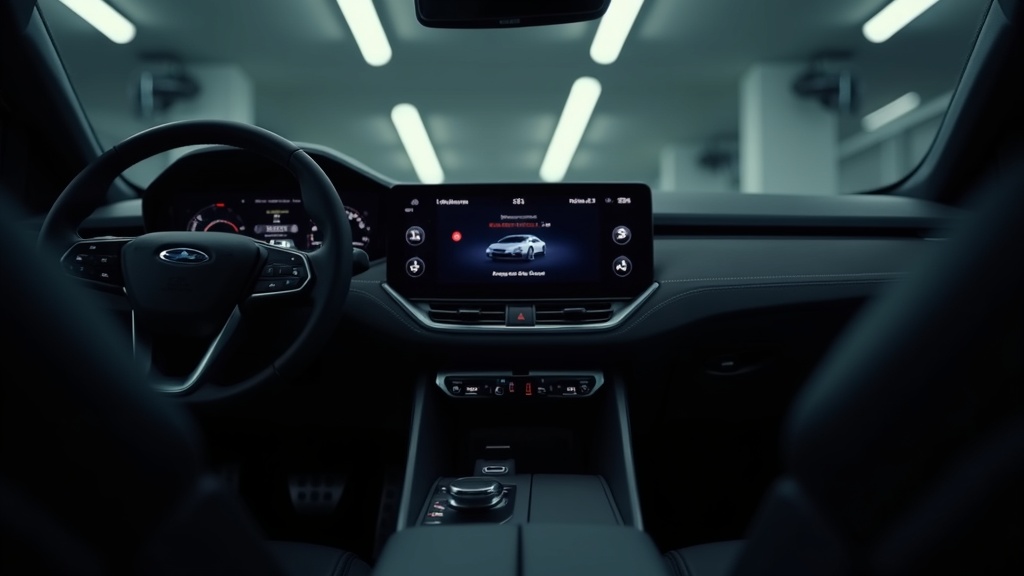
A widening gap between engineering trends and driver preferences has emerged in automotive design, with consumers increasingly vocal about features they see as unnecessary, uncomfortable, or outright annoying.
Center consoles have become a particular flashpoint. Modern vehicles, even full-size pickups, now feature wide center consoles that encroach significantly on passenger legroom. Critics note that older economy cars of the 1980s and 1990s, comparable in overall size to today’s midsize sedans, offered substantially more interior space and flexibility. The shift toward automatic transmissions and electronic shifters has made the physical space requirements moot, yet manufacturers continue to prioritize the console design.
Climate control has also proven contentious. Digital temperature systems that require precise degree-by-degree adjustments via button presses have replaced simpler mechanical dials that allowed intuitive warm-to-cool adjustment. Drivers report the precision settings are impractical in real-world driving, where a car’s temperature varies dynamically based on external conditions, solar load, and ventilation rates. One observer noted that “a simple qualitative approach is closer to the actual thing happening than a display with half-degree precision.”
Carbon fiber trim has become ubiquitous across model ranges, appearing on vehicles where it serves no functional purpose. The material, originally developed for weight reduction in racing applications, now adorns economy cars where its claimed performance benefits are negligible. Manufacturers deploy it primarily as a visual marker of sportier trim levels.
Electronic gear selectors have drawn particular criticism. Shift-by-wire systems eliminate the physical linkage between shifter and transmission, yet many modern cars employ steering-wheel-mounted paddles or push-button selectors rather than intuitive dash or column-mounted alternatives. Drivers question whether these designs improve functionality or merely prioritize aesthetic novelty.
Additionally, sensory overload from redundant safety alerts frustrates owners. Seatbelt warnings sound before the engine even starts, fatigue-detection systems trigger on yawns, and hand-tracking sensors designed for a single grip position fail when drivers use armrests.
The common thread: modern automotive design frequently prioritizes visual differentiation and cost savings over practical usability, leaving drivers nostalgic for simpler, more spacious vehicles of decades past.
← Back to home